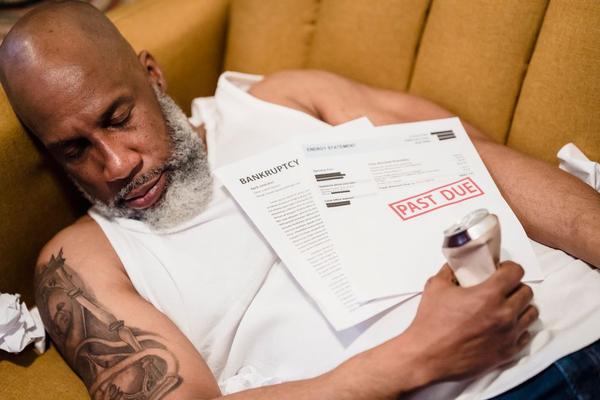
A bankruptcy petition can be carefully prepared and still run into trouble over one missing step: credit counseling. Under U.S. bankruptcy law, most individuals must complete an approved session before filing. Getting the timing or provider wrong can put the case at risk of dismissal.
The bankruptcy credit counseling requirement is about documenting that someone reviewed their finances and possible alternatives. Here is how to complete this filing requirement without creating a preventable problem on filing day.
Who Needs Pre-Bankruptcy Counseling?
Generally, every individual filing bankruptcy must obtain approved credit counseling, including people seeking relief under Chapter 7, Chapter 13, or another chapter. It also applies to individuals with primarily business debts. Spouses filing jointly must each satisfy the requirement and receive separate certificates, though they may attend the same counseling session.
The rule applies to individuals, not corporations filing in their own names. It is distinct from eligibility tests for different types of bankruptcy. Readers comparing options may also find a guide to Chapter 7 versus Chapter 13 bankruptcy useful.
Understand the 180-Day Timing Rule
Counseling must generally be completed within the 180 days before the bankruptcy petition is filed. Taking the session eight months earlier does not count. If your filing is postponed beyond the permitted window, you ordinarily need another session and a fresh certificate.
Scheduling counseling is not the same as completing it. Confirm that all required interaction has finished and that the agency can issue your certificate. Some courts have questioned whether counseling completed on the calendar day of filing satisfies the law, so finishing at least a day beforehand is safer.
A Practical Filing-Week Example
Maria plans to file a Chapter 7 petition on Monday. She completes counseling with an approved provider on Thursday, downloads the certificate, and checks her name and completion date. Her attorney can include the certificate with Monday’s petition. Had she relied on one issued eight months earlier, her case could face an eligibility problem.
Finding an Approved Credit Counseling Agency
A general financial coaching service or debt-settlement company does not automatically qualify. For most states, check the U.S. Trustee Program’s list of approved credit counseling agencies. Bankruptcy administrators oversee approvals in Alabama and North Carolina.
Before booking, confirm that the provider is approved for the judicial district where you plan to file. Ask whether the session specifically fulfills the pre-filing bankruptcy requirement, whether telephone or online counseling is available, and how quickly the certificate will arrive.
Also ask about all charges, including any separate certificate fee. Federal approval is not a government endorsement of the company’s service quality. Choose based on verified approval, clear fees, accessibility, and reliable documentation rather than advertisements promising instant approval.
What Happens During the Session?
The counselor reviews your income, expenses, debts, and financial difficulties. You may discuss budgeting, possible repayment arrangements, and alternatives to bankruptcy. You do not need to agree to a debt management plan to receive a completion certificate.
A typical session lasts approximately 60 minutes, according to the U.S. Trustee Program, although individual sessions can be shorter or longer. Internet or automated telephone counseling must include substantive personalized guidance and the required interaction with a counselor; merely clicking through generic material is insufficient.
Prepare rough monthly income and expense figures, debt balances, and recent bills. Realistic numbers make the discussion more meaningful. If counseling produces a debt repayment plan, a copy generally must be filed in the bankruptcy case.
How Much Does Approved Credit Counseling Cost?
Prices vary. The U.S. Trustee Program generally presumes fees of $50 or less to be reasonable, but there is no mandatory universal price. Providers must disclose their charges, including certificate fees, before counseling begins.
People who cannot afford the fee should ask about free or reduced-cost counseling. Approved agencies must consider ability to pay; households below 150% of the applicable federal poverty guideline are presumptively entitled to a fee waiver or reduction. A quoted price should not stop you from asking about assistance.
Keep the Certificate With Your Filing Documents
After counseling, the agency issues a certificate proving completion. The document is not an endorsement of bankruptcy or a decision about whether you qualify. Check the name, completion date, and provider before sending it to your attorney or submitting your petition.
The certificate is ordinarily filed with the petition. Some court procedures permit later submission when counseling was already completed on time, but that is different from attempting to take counseling after filing. If the document is missing or incorrect, contact the agency promptly for a replacement or correction.
Joint filers should check that each spouse received a separate certificate. Save copies beside the documents in your bankruptcy filing checklist.
Can an Emergency Excuse the Requirement?
Limited exceptions exist, but pressing debts or an approaching collection deadline do not automatically excuse counseling. To seek a temporary exception for exigent circumstances, a debtor generally must certify that an approved agency could not provide requested counseling during the seven-day period beginning with the request, explain the urgent circumstances, and satisfy the court.
If accepted, that temporary exception generally lasts no longer than 30 days after filing, with a possible 15-day extension for cause. An unsuccessful request can leave the case subject to dismissal.
Other narrow exceptions concern legally defined incapacity, disability, qualifying military duty in a combat zone, or an official finding that sufficient approved counseling is unavailable in the district. These standards are specific. Seek bankruptcy legal advice before filing without ordinary counseling.
Credit Counseling Is Not the Post-Filing Bankruptcy Course
Individual filers usually face two separate education requirements. Pre-bankruptcy counseling happens before filing and reviews financial options. Debtor education, sometimes called a personal financial management course, generally happens after filing and is required for discharge.
Completing one does not replace the other. A guide to what happens after filing bankruptcy can help explain the remaining steps and deadlines.
Frequently Asked Questions
Can I complete bankruptcy credit counseling online?
Yes. Approved agencies may offer internet, telephone, or in-person counseling. Verify that the specific program meets the bankruptcy filing requirement.
What happens if my certificate is more than 180 days old?
If the counseling occurred outside the required pre-filing period, you generally must repeat it and obtain a current certificate before filing.
Do both spouses need credit counseling?
Yes. Both joint filers must complete personalized counseling and receive separate certificates, even when they participate in one session.
Does completing counseling obligate me to file bankruptcy?
No. You may review the counseling information and decide not to file. The counselor does not decide whether bankruptcy is right for you.
Complete This Step Before Filing Day
Verify that the agency is approved, finish counseling comfortably before filing, and check the certificate. These basic precautions can prevent a technical mistake from disrupting an already difficult financial process.