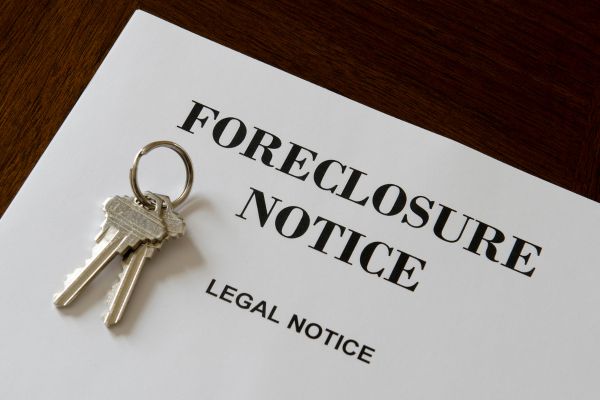
There’s a moment—often quiet, often late at night—when the weight of financial stress settles in and the word foreclosure stops feeling abstract. It becomes real. Urgent. Personal.
If you’re here, you’re likely searching for clarity, not panic. The good news is that foreclosure is rarely as sudden as it feels. There are steps, pauses, and legal processes involved. And within those gaps, there’s room to act.
Understanding how to stop foreclosure begins with knowing what’s happening, what your options are, and how quickly you can respond.
Understanding What Foreclosure Really Means
Foreclosure isn’t a single event—it’s a process. It begins when mortgage payments fall behind and the lender moves to recover the debt by taking ownership of the property.
At first, there are notices. Then deadlines. Eventually, if nothing changes, the home may be sold to recover the loan balance.
But here’s the important part: foreclosure takes time. Even in faster jurisdictions, there are stages designed to give homeowners opportunities to catch up or find alternatives. Those opportunities are where your focus should be.
Acting Early Changes Everything
When it comes to how to stop foreclosure, timing is more powerful than almost any other factor.
Early action opens doors. Waiting closes them.
If you’ve missed one or two payments, you’re in a very different position than someone who has ignored notices for months. Lenders are generally more willing to work with borrowers who communicate early, before the situation escalates.
There’s a natural instinct to avoid the problem—ignore calls, set letters aside, hope things stabilize. But foreclosure thrives on silence. The moment you engage, even just by asking questions, you begin to shift the outcome.
Bringing the Loan Current Again
One of the most direct ways to stop foreclosure is to catch up on missed payments. This is often called “reinstating” the loan.
It sounds simple, but it can feel overwhelming. Missed payments usually come with late fees, penalties, and possibly legal costs. The total amount required can be significant.
Still, for some homeowners, this is the fastest route to stability. A tax refund, a temporary loan from family, or even selling non-essential assets can sometimes bridge the gap.
It’s not always comfortable, but it can stop the process almost immediately once the lender receives full payment.
Negotiating With the Lender
Lenders are not always eager to take ownership of a property. Foreclosure is expensive, time-consuming, and uncertain for them as well.
That’s why communication matters.
If you’re trying to figure out how to stop foreclosure, one of the most overlooked strategies is simply opening a conversation. Many lenders offer temporary solutions for borrowers facing hardship.
These might include adjusting payment schedules, pausing payments for a short period, or restructuring the loan in a way that makes it more manageable.
The tone of the conversation matters too. Being honest about your situation—job loss, medical expenses, unexpected life changes—can lead to more flexible options.
Loan Modification as a Longer-Term Solution
Sometimes, the issue isn’t just a temporary setback. The monthly payment itself may no longer fit your financial reality.
In these cases, modifying the loan can be a path forward.
A loan modification changes the terms of the mortgage—often by extending the repayment period, reducing the interest rate, or adding missed payments to the balance. The goal is to create a new payment that’s sustainable.
It doesn’t erase the debt, but it reshapes it into something more manageable. And importantly, it can halt foreclosure while the modification is being reviewed and processed.
Refinancing When Equity Still Exists
Refinancing replaces your current mortgage with a new one, ideally with better terms. This can be helpful if your credit is still in reasonable shape and your home has enough equity.
However, timing is critical. Once foreclosure proceedings are well underway, refinancing becomes more difficult.
Still, if you’re early in the process, this option can reset the loan entirely—turning a stressful situation into a fresh start.
Selling the Property Before It’s Too Late
There’s a difficult truth that sometimes gets overlooked: keeping the home isn’t always the best outcome.
If the financial strain is ongoing and unlikely to improve, selling the property may be the most practical way to stop foreclosure.
A traditional sale allows you to pay off the mortgage and avoid the long-term impact of foreclosure on your credit. It also gives you more control over the timeline.
In some cases, homeowners explore a “short sale,” where the property is sold for less than the remaining loan balance with lender approval. While not ideal, it’s often less damaging than foreclosure itself.
Legal Protections and Temporary Relief
In certain situations, legal action can pause or stop foreclosure, at least temporarily.
Filing for bankruptcy, for example, can trigger an automatic stay—a legal pause that stops collection activities, including foreclosure. This doesn’t eliminate the mortgage, but it can provide breathing room.
There are also cases where errors in the foreclosure process or improper documentation can delay proceedings. Legal advice becomes important here, as the details can vary widely depending on location and circumstances.
The Emotional Side of Facing Foreclosure
It’s easy to focus only on numbers—payments, balances, deadlines. But foreclosure carries an emotional weight that’s harder to quantify.
There’s stress, uncertainty, and often a sense of personal failure. None of that is unusual.
Financial setbacks happen for many reasons, most of them beyond simple control. A job loss, a medical emergency, a sudden economic shift—these are not moral failings.
Understanding how to stop foreclosure also means recognizing that asking for help is not a weakness. It’s a step toward regaining control.
Avoiding Common Mistakes That Make Things Worse
When people feel pressure, they sometimes make decisions that unintentionally accelerate the problem.
Ignoring communication from the lender is one of the most common mistakes. So is falling for quick-fix promises that sound too good to be true.
There are no magic solutions. Any real option will involve paperwork, timelines, and some level of financial adjustment.
Taking time to understand your choices—even when time feels limited—can prevent decisions that lead to deeper trouble.
Creating a Path Forward After the Crisis
Stopping foreclosure is only part of the journey. What comes next matters just as much.
If you manage to keep your home, the focus shifts to sustainability. Budget adjustments, emergency savings, and realistic financial planning become essential.
If you don’t keep the property, rebuilding begins in a different way. Credit recovery, stable housing, and gradual financial improvement take center stage.
Either path is valid. What matters is moving forward with a clearer understanding of your financial landscape.
Conclusion: Moving From Panic to Action
Foreclosure can feel sudden, overwhelming, and final. But in reality, it’s a process filled with decision points.
Learning how to stop foreclosure is less about finding a single solution and more about understanding the range of options available to you—then acting quickly and deliberately.
Whether it’s catching up on payments, negotiating new terms, selling the property, or seeking legal protection, each step represents a way to regain control.
The sooner you act, the more choices you’ll have. And even in difficult circumstances, having choices can make all the difference.